
Last edited 09/03/2026


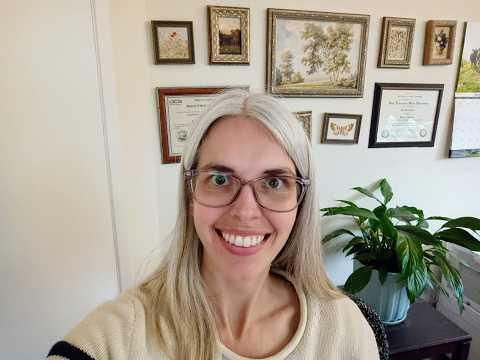


Identifies As
She / Her / Hers, They / Them / TheirsWomanWhiteBisexualBuddhism, ChristianityLGBTQIA+Living with a chronic disease, Millennial
Get To Know Me
In what ways have your personal experiences influenced your work with your clients?
Profoundly: this specialty found me before I chose it. I've experienced pregnancy loss, an infertility journey, the disorienting transition to parenthood, perimenopause, and a chronic health condition in my own life. During my hardest chapter, I wrestled with the question many of my clients bring to me: what would make life meaningful if the future I'd counted on didn't arrive? Finding my way through that question is what led me to this profession. In practical terms, my experience shapes our work in two ways. First, you'll never need to convince me that what you're going through is real. I've felt the dismissiveness of "it's just hormones" from the patient's chair, and my office is the opposite of that. Second, the tools I teach aren't theoretical to me; I've used them in my own life, which means I know the difference between what sounds good in a book and what actually helps at 2 a.m. Your story will differ from mine, every story does, and I'll never assume otherwise. But you'll be talking with someone who has stood somewhere near where you're standing.
What is your style/approach to therapy?
Warm, collaborative, and purposeful. My foundation is Narrative Therapy: we look at the stories you've inherited about what your body should do, what a parent should feel, how strong you're supposed to be, and work on reclaiming authorship of the ones that will define you going forward. Around that foundation, I bring practical, research-backed tools from CBT, DBT, ACT, and ERP, plus Gottman Method and Gordon Effectiveness Training for relationship strain, selected for your situation rather than applied one-size-fits-all. Expect structure alongside the warmth: we'll set concrete goals early, measure progress against them, and I'll regularly give you skills to practice between sessions. An hour a week matters most for what it changes in the rest of your life. My care is culturally sensitive, trauma-informed, and LGBTQIA+ affirming, and I welcome clients of all genders, identities, and family structures.
Are there any recurring themes or issues you’ve noticed as you treat people in your area of specialization, and how has this insight guided your approach?
Yes, my clients arrive with wildly different stories, but the same five threads run through nearly all of them. Life transitions: something has changed (a diagnosis, a birth, a loss, a new decade) and life on the other side doesn't resemble life before. Identity changes: new roles, chosen or not, that don't yet fit the person you've always been. Body challenges: a body that feels unfamiliar, unreliable, or like it has broken an unspoken agreement with you. Feeling overwhelmed or out of control: the coping strategies that always worked simply don't work for this. And grief, sometimes for a tangible loss, like a pregnancy, and just as often for intangible ones: a dream, a capability, a future you'd already furnished in your mind. Noticing these threads has shaped my approach in a specific way: I treat the whole pattern, not just the presenting problem. A client may come in for postpartum anxiety, but we'll also tend to the identity shift and the grief for her former life hiding underneath it, because in my experience, that's what makes recovery hold. It's also why I work from a narrative foundation: every one of these threads is, at heart, a story mid-revision, and therapy is where you get to influence how the next chapter reads.
Location
Loading...
Specialties
Specializes in
Fertility IssuesPregnancy, perinatal, & postpartum issuesPremenstrual dysphoric disorderTransition to new parenthoodWomen's issues
General Expertise
DepressionAnxietyRelationship IssuesLoss/GriefSelf-EsteemAging related concernsBody image issuesChronic illnessChronic painCommunication issuesFamily issuesIdentity developmentLGBTQIA related issuesLife transitionsObsessive compulsive disorder (OCD)Parenting issuesPhysical wellnessPostpartum depressionSpirituality & religion based issuesStress
Treatment Approaches
Strength Based TherapyCulturally Sensitive TherapyNarrative TherapyDialectical Behavior Therapy (DBT)Cognitive Behavioral Therapy (CBT)Acceptance and Commitment Therapy (ACT)Exposure and Response Prevention (ERP)
Clientele
Types of Therapy
Individual Therapy
Serves Ages
ParentsYoung Adults (18-24)Adults (25-65)
Languages
English
Insurance & Fees
Insurances Accepted
AetnaCignaKaiserMeritain HealthNippon Life Insurance Company of America
Cash Pay Rates/Out-of-Pocket
| First Session: | $180 |
| Individual Therapy: | $180 |
Professional Background
LicensureCalifornia, Licensed Marriage and Family Therapist, 128899
Training/CertificationsMaternal Mental Health Professional Certificate Training, 2022, 16 hoursWomen with Trauma and Serious Mental Health Disorders, 2026, 6.5 hoursTreat Pre-Menstrual Dysphoric Disorder, Premenstrual Syndrome & Emotional-Dysregulation with DBT & CBT, 2026, 4.5 hoursAn Integrative Approach to Menopause, 2026, 1.5 hours2-Day Intensive Trauma Treatment Workshop, 2022, 12 hours
Education
San Francisco State University, Master of Science in Counseling, Marriage, Family and Child Counseling, 2017 — A CACREP accredited program with a strong emphasis on multicultural counseling and Person-Centered Rogerian therapy. My thesis was on applications of Narrative Therapy. The program included two years of supervised clinical internships. The first year was at APA Family Support Services providing therapy for children and teens in Visitacion Valley in San Francisco. The second year was at San Mateo County Behavioral Health serving children and teens in Daly City.
Work HistoryI've been a practicing marriage and family therapist since 2014, licensed in California (LMFT #128899), with a Master of Science in Marriage, Family and Child Counseling from San Francisco State University. Over the past decade, my practice has become increasingly focused on reproductive mental health: I work with adults facing pregnancy and postpartum challenges (including postpartum depression, anxiety, rage, and OCD) as well as infertility, pregnancy loss, PMDD, perimenopause, and chronic pain and illness. I also treat OCD with Exposure and Response Prevention (ERP), the most effective treatment we have for it. I've pursued advanced training deliberately matched to this focus: a Maternal Mental Health Professional Certificate, specialized training in treating PMDD and premenstrual disorders, menopause-informed education, trauma treatment training, and advanced grief therapy training. Today I see clients exclusively online, throughout California.
Frequently Asked Questions
It’s not uncommon to have questions before starting therapy.
Gail Kirk Poust, LMFT, has answered a few of the questions they receive most often from new clients.
Is Gail Poust accepting new clients?
Yes, Gail Poust is accepting new clients for online therapy in California.
Does Gail Poust accept insurance?
Yes, Gail Poust accepts insurance, including Aetna, Cigna, Kaiser, Meritain Health and Nippon Life Insurance Company of America.
What types of therapy does Gail Poust offer?
Gail Poust offers therapy for individuals.
Does Gail Poust offer in-person appointments?
No, but people in California can book Gail Poust for virtual appointments (teletherapy).
Does Gail Poust offer online therapy?
Yes, Gail Poust offers online therapy via video sessions to people in California.
How quickly can I see Gail Poust?
Gail Poust typically can speak with new clients within 48 hours. You can see their current general office hours and request an appointment on their profile page.
What languages does Gail Poust speak?
Gail Poust conducts therapy sessions in English.
Can I book an appointment with Gail Poust online?
Yes, you can easily book an appointment with Gail Poust online using ChoosingTherapy.com’s directory.